



Balsamic vinegar has always been one of the culinary gems of Italy, don’t you agree? Among its various varieties, you often hear about “single-wood balsamic vinegar.” In this case, we are faced with a unique product, a particular expression of craftsmanship and dedication to tradition. Let’s see what it is and how such an extraordinary product is created.
The aging process in wooden barrels: a crucial phase
To understand what single-wood balsamic vinegar is, it is important to start with the production of this product and, more specifically, the aging process. Balsamic vinegar is renowned for its aging process carried out in precious wooden barrels. This phase is crucial for giving the condiment its complexity of flavors and its characteristic and engaging density on the palate. Typically, during aging, balsamic vinegar is transferred from one barrel to another, each made from different types of wood, such as oak, cherry, chestnut, and mulberry.
The aging of single-wood balsamic vinegar
Single-wood balsamic represents a variant of the millennia-old tradition that, as we mentioned, involves transferring from a barrel made of one type of wood to another made of a different wood. In this case, however, the vinegar ages exclusively in a single wooden barrel. This practice, although different from the usual, maintains a deep respect for the tradition and craftsmanship that characterize the production of balsamic vinegar. It is important to note that this practice applies only and exclusively to IGP Balsamic Vinegar of Modena and not to the Traditional DOP.
What changes in the flavor of the product
The use of a single barrel allows the balsamic to absorb the aromas and characteristics of the specific wood used in a more concentrated way. This can add unique nuances to the final flavor of the vinegar. Therefore, this practice should not be seen as an improvement or a defect compared to the result obtained with the traditional practice of moving from one barrel to another. It is simply an aging process that offers something different and unique in its kind.
The aging of single-wood balsamic vinegar can affect the density and viscosity of the product itself. This process can create a thicker and more full-bodied condiment, ideal for enhancing high-quality dishes. It should also be noted that each wood imparts specific flavor notes to the vinegar. For example, oak can provide bolder flavors, while cherry can add fruity tones. The choice of wood thus becomes an essential part of the creation process of the balsamic, allowing for products with different flavor nuances.
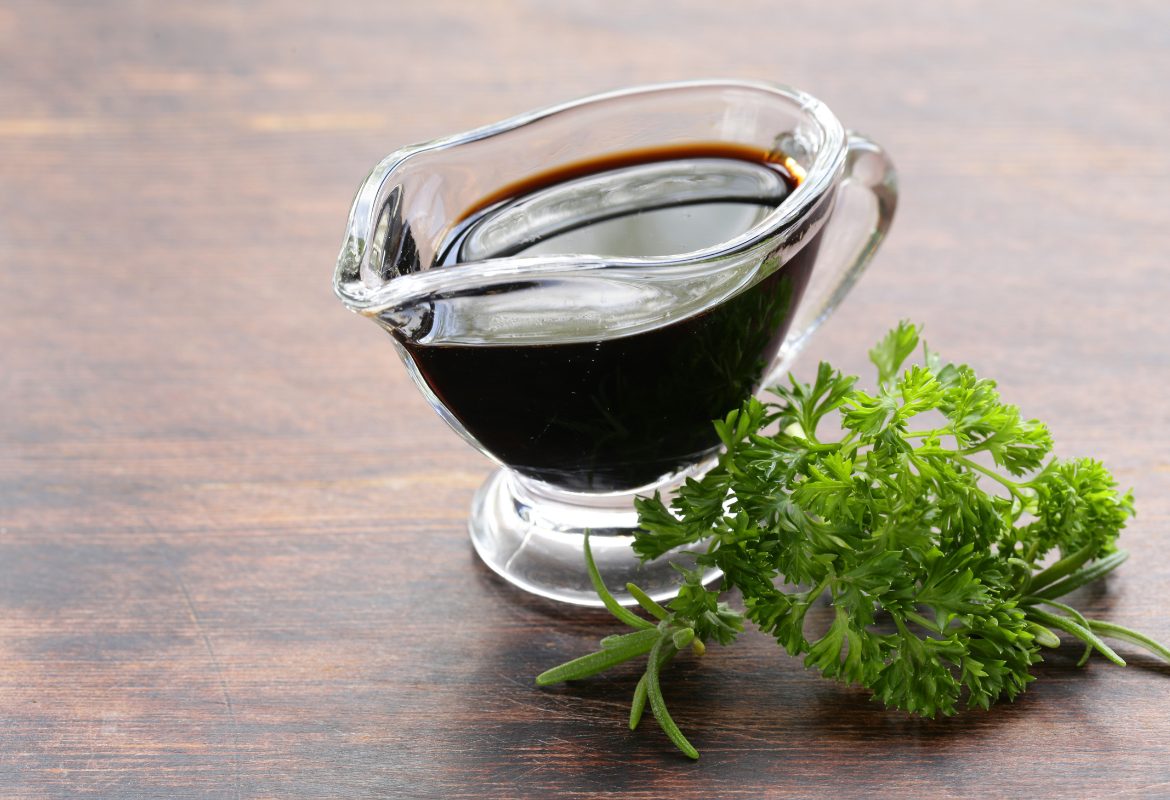
How to enhance single-wood balsamic vinegar
To fully appreciate the nuances of IGP Balsamic Vinegar of Modena single-wood, it is advisable to taste the balsamic vinegar pure, that is, without other condiments. This allows the palate to immediately experience the nuances of the wood used.
Single-wood balsamic vinegar can become a culinary signature in refined dishes: we recommend trying it on aged cheeses, fresh strawberries, or ice cream to enhance their flavors. It can also be used as a key ingredient in sauces, marinades, or reductions for meats and to give a distinctive touch to many dishes. Exploring this variant is a sensory journey that allows you to appreciate the craftsmanship of the artisans behind this extraordinary condiment… If you wish to discover up close how balsamic vinegar is produced, do not hesitate to book a visit to our Acetaia.


