One of the Italian provinces with the highest number of D.O.P. and I.G.P. products, Modena is celebrated by all connoisseurs of traditional Italian products. The Emilian city is an important reference point for food & wine lovers, proudly waving the flag of Made in Italy excellence.
Indeed, this territory is characterized by a high number of gastronomic excellences that make the city famous not only throughout Italy but even around the world. Therefore, during a visit, it becomes essential to try some of the local specialties to fully understand the high quality that defines these products.
What to eat in Modena?
Balsamic vinegar, Lambrusco, tortellini, tigelle, and gnocco fritto: these are just some of the typical products of this territory that must absolutely be tasted when visiting. Once tried, there is no going back: the high quality of the ingredients and the unmistakable flavor that distinguishes these products will compel you to return to the Emilian town to relive an unparalleled culinary experience.
Balsamic vinegar, an Italian gem
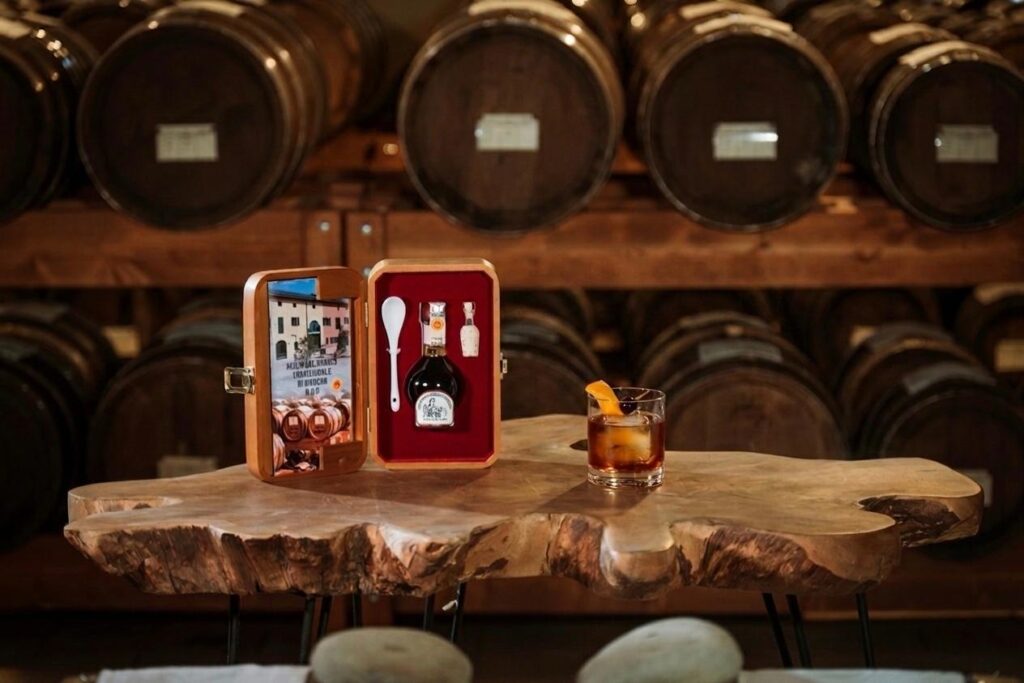
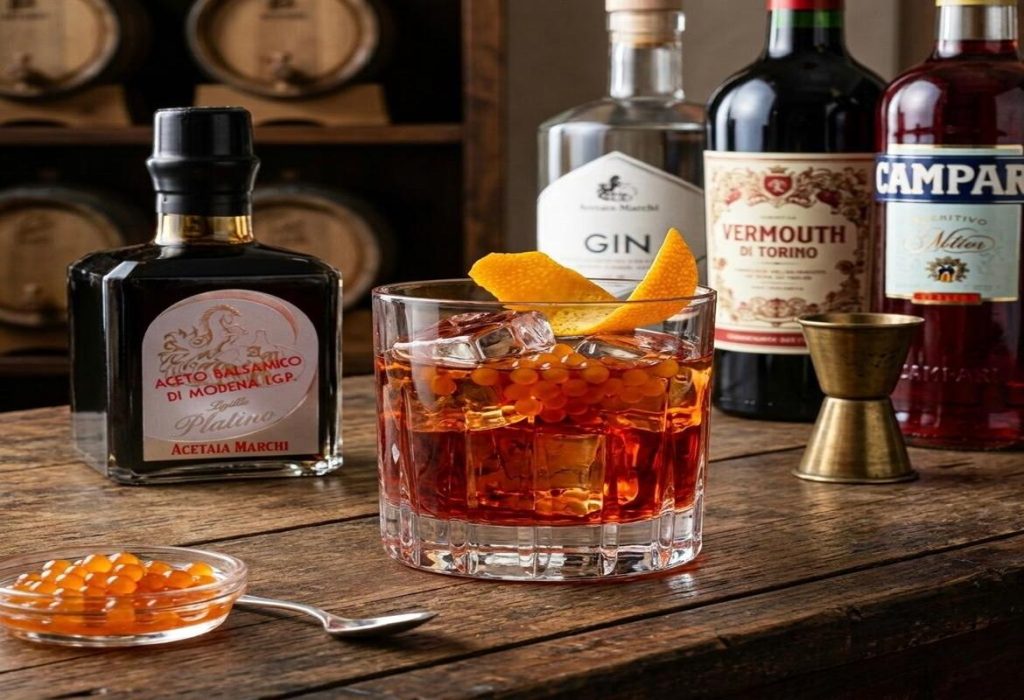
Balsamic vinegar is one of the most famous and recognized Italian products, one of Modena’s symbols in the world. There are two different types of balsamic vinegar: Traditional Balsamic Vinegar of Modena DOP and Balsamic Vinegar of Modena IGP. The former, a condiment with an unmistakable flavor, comes from a long aging process that can last for decades, resulting from a meticulous selection of musts derived from very high-quality grapes. After selecting the best musts, the process of slow cooking begins in open vessels at a temperature of 84° for a variable duration, usually between 12 and 14 hours. This is a crucial phase, as it is during this step that balsamic vinegar acquires its characteristic flavor. After aging in barrels made of oak, chestnut, cherry, and juniper, the balsamic vinegar is progressively transferred from one barrel to another. Once the necessary years of refinement and aging have been reached, the product is carefully evaluated by a panel of tasters. Balsamic Vinegar of Modena IGP, on the other hand, is derived from the combination of cooked grape must and wine vinegar. Unlike its traditional DOP counterpart, the aging process is shorter, as the minimum required period is 60 days.
These preparation processes characterize the quality of the product and are very important for Acetaia Marchi, which, thanks to its passion for its work and respect for tradition, offers an excellent result. With the aim of spreading this culture, we have organized several guided tours in the vinegar factory to show visitors from all over the world all the steps of this extraordinary process, starting from the vineyards to the actual production of the typical balsamic vinegar of the Emilian city. If you are wondering what to see in Modena, this could be the answer you are looking for. Furthermore, if you want to take a bit of this territory with you, you will also have the opportunity to purchase our Traditional Balsamic Vinegar of Modena DOP, Balsamic Vinegar of Modena IGP, and Balsamic Vinegar-based Condiments either in the shop or through e-commerce.
The sparkling character of Lambrusco
A typical symbol of Emilian conviviality, Lambrusco is a wine known and celebrated worldwide, appreciated daily by the inhabitants of this territory. A product with unique organoleptic characteristics, which makes it both red and sparkling at the same time. With a fruity aroma and a moderate alcohol content, its sparkling soul reflects the character of the city, a source of pride for producers and one of the pillars of the Emilian economy.
Depending on the varieties of grapes used and the territory of origin, it is possible to obtain different DOC (controlled designation of origin) and IGT (typical geographical indication). In Modena, the DOC are:
- Sorbara: this wine is produced in about ten municipalities in the Modena area using 60% of grapes from the specific vine and the remaining 40% from Lambrusco Salamino grapes. Among the Lambrusco wines from Modena, it is the least intense in color, with fruity aromas and hints of violet.
- Grasparossa di Castelvetro: the variety of Lambrusco from Modena that grows especially in the hills. A full-bodied wine that, thanks to particularly suitable soils, proves to be very valuable.
- Salamino di Santa Croce: made with the namesake grape variety in a specific area of low Modena to the north of Modena, it is characterized by its brilliant ruby red color and floral aroma.
- Lambrusco di Modena: this DOC groups wines with a specific origin in this province, including Lambrusco wines made with all the typical grape varieties such as Sorbara, Grasparossa, Salamino, otherwise divided into specific areas.
Tortellini, a “border” dish
If you are wondering what to eat in Modena, this is a very tasty option. A typical dish of festivities and known throughout Italy, tortellini are an egg pasta filled and consumed all year round. Enjoyed in meat broth, they are often accompanied by a local Lambrusco. This type of pasta is characterized by the “filled” taste enclosed in a thin egg pasta, shaped in the characteristic form that, in tradition, is supposed to resemble a woman’s navel. Also consumed in “dry” versions with ragù, tortellini remain a beloved dish of Modena’s tradition that must be absolutely tasted if you are in the area.
The invention of tortellini is linked to a legend that sees Modena and Bologna clashing for centuries to claim credit for the creation of this dish. To put an end to this dispute, a humorous publication established the origins of this dish in the town of Castelfranco, right on the border of the two provinces. According to the legend, in this place an innkeeper, peeking through a keyhole, caught a glimpse of the navel of a noblewoman who was his guest. To remember that vision, he created a dish that would bring that image to mind even at the table.
The tigelle of Modena
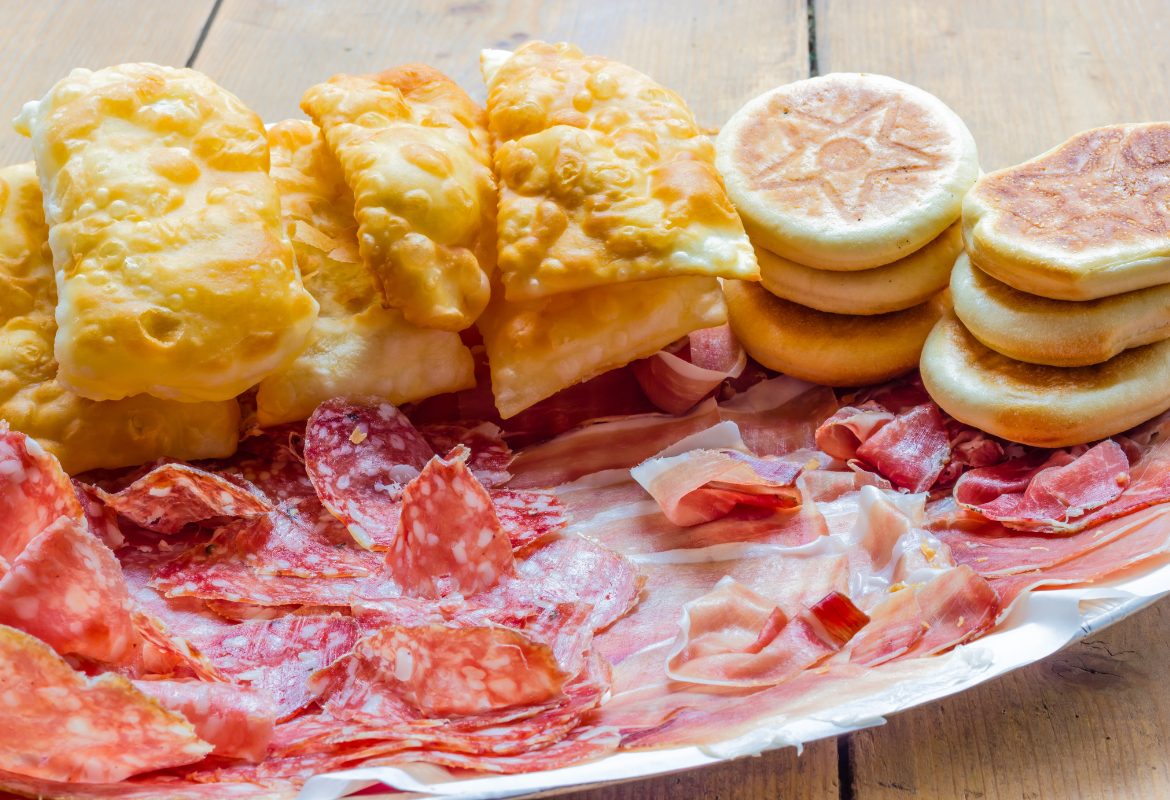
The crescentine (colloquially known as “tigelle”) are a type of bread originating from the Modenese Apennines that represents the typical preparation for convivial moments in these areas, which must absolutely be tasted when visiting Modena. Tigelle are deeply rooted in the culture of the inhabitants and are considered a truly special dish that marks moments of joy at the table. Made with a dough of flour, dry yeast, water, salt, and a pinch of sugar, they come in various variants depending on family recipes.
The debate over their name comes from the way they were prepared in the past: in fact, tigelle are the discs of refractory stone or terracotta in which the dough was pressed and then cooked, thus taking on the typical round shape. This dish is now a staple in the traditional menus of local establishments and is often accompanied by gnocco fritto.
The gnocco fritto or gnocco fritto?
Last but not least, we have gnocco fritto. Known as “the gnocco fritto” in the dialect form, calling it “lo gnocco fritto” in the Modena area would sound strange. Representing a typically Modenese lifestyle, it is a protagonist of socialization moments at the table, both at lunch and dinner. Historically a substitute for bread, gnocco fritto is a preparation widespread throughout Emilia but with different names and variants: for example, in Bologna, it is known as crescentina, while in Parma as torta fritta and in Ferrara as pinzino.
Usually, this dish is served during meals along with mixed cold cuts and cheeses, but even in this case, there are different variations and reinterpretations of the original recipe, the result of family traditions passed down from generation to generation. In short, if you pass through Modena, you cannot miss tasting this typical dish of the tradition!